
Cataract surgery
Removal of the cloudy lens and replacement with an artificial one.
Ophthalmologist
Dr Pieter Odendaal consults at Arcadia and Faerie Glen — cataracts, glaucoma, medical and surgical retina, laser vision correction and eyelid surgery. In private practice since 2002, the practice uses the facilities of the Pretoria Eye Institute.
Background
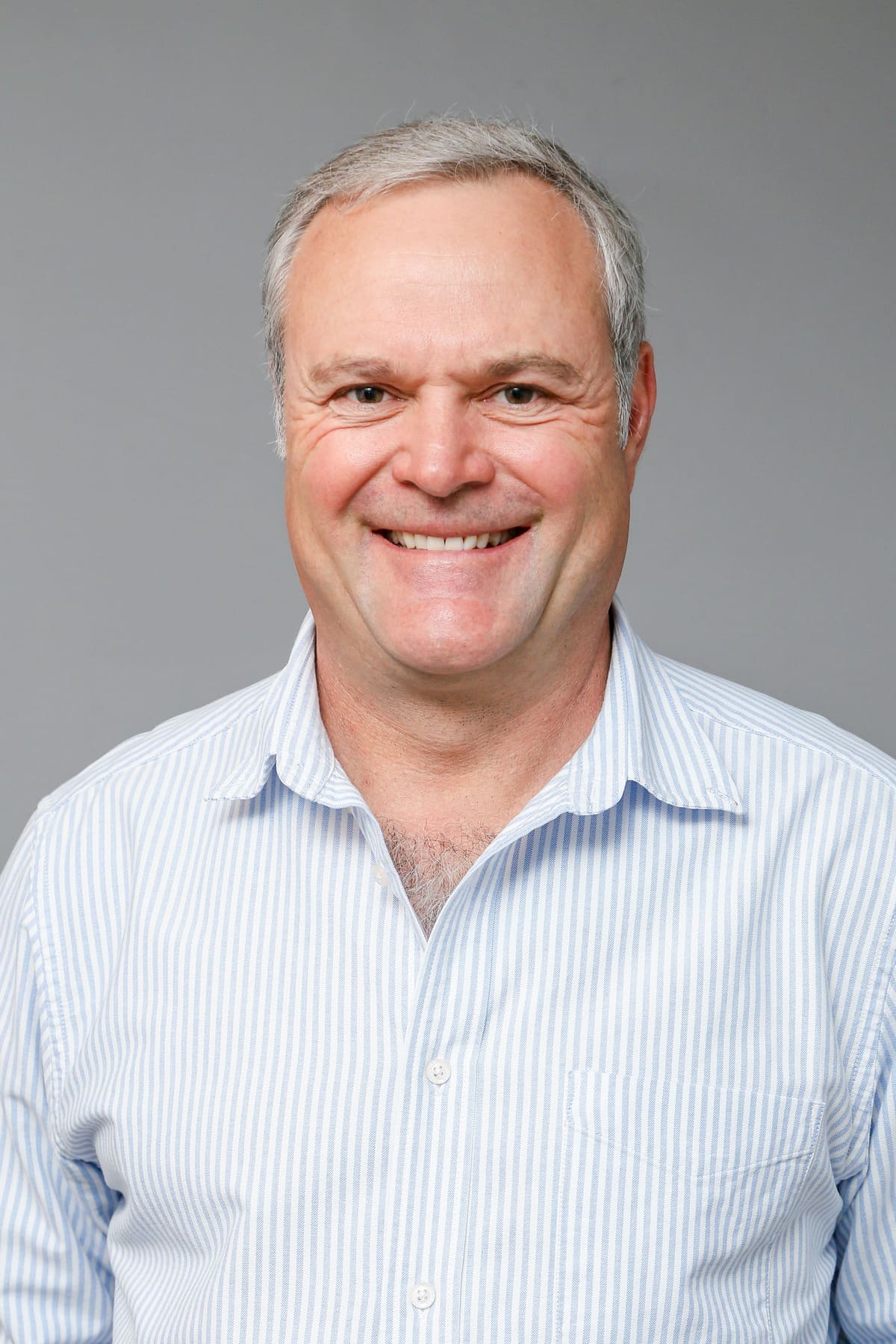
Dr Pieter Odendaal is an ophthalmologist in Pretoria. He qualified MB ChB at Stellenbosch University, then completed specialist training in ophthalmology at the University of Pretoria and was admitted as a Fellow of the College of Ophthalmologists of South Africa. He has worked in private practice for 24 years.
His work covers cataract surgery, glaucoma management, medical retina, surgical retina, refractive surgery and oculoplastic surgery.
Most appointments are for everyday things: a cataract that has started to interfere with driving, eye pressure that needs watching, an eyelid that has begun to turn. Some appointments are more involved. Those get talked through properly before anything is decided.
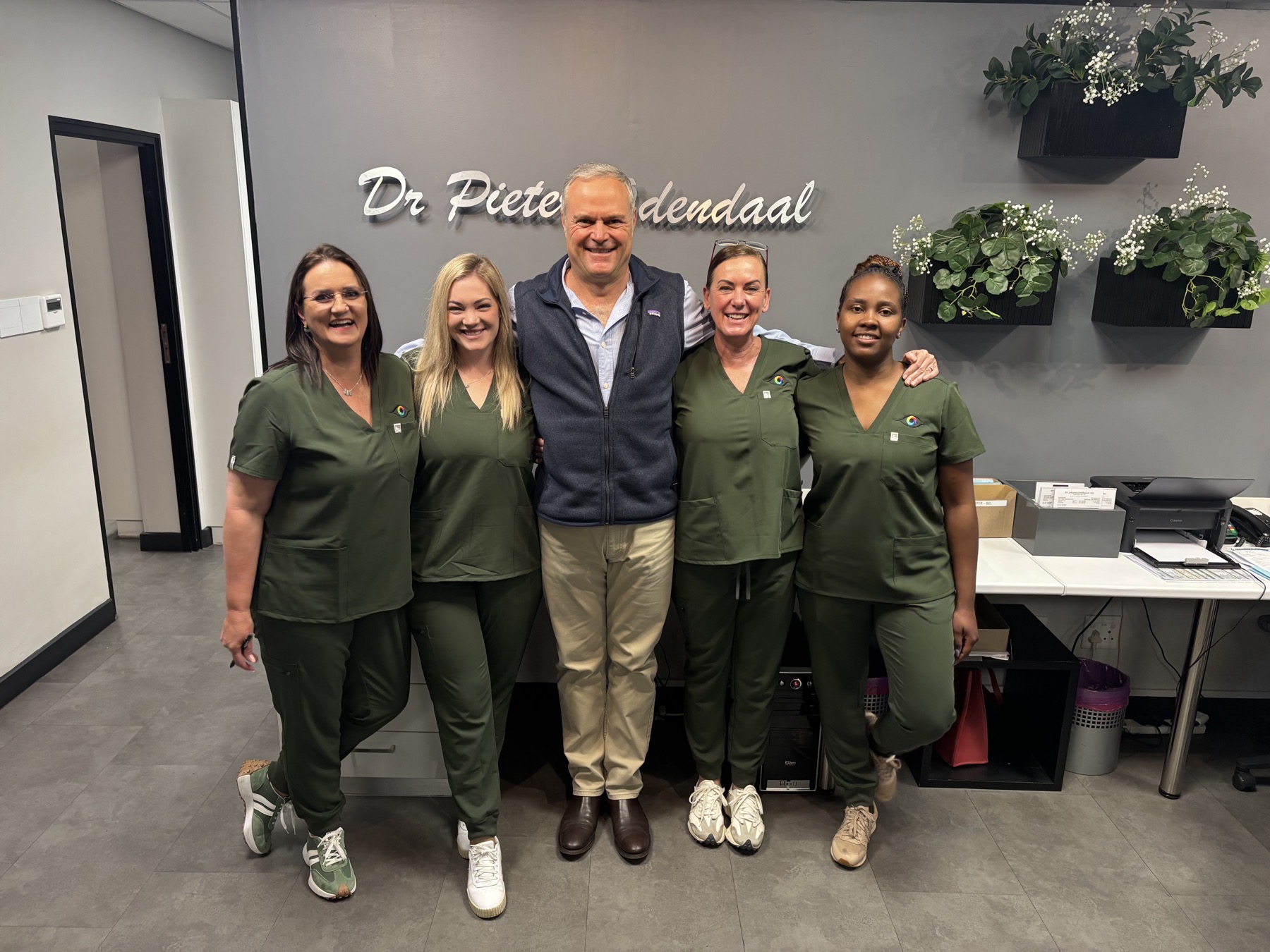
Consulting rooms are in Arcadia and Faerie Glen, both in Pretoria. The practice uses the facilities of the Pretoria Eye Institute. Consultations are held in English or Afrikaans.

Procedures
Most consultations begin with an examination of both eyes, after which any further tests are arranged. Where an operation is not needed, he says so.
Removal of the cloudy lens and replacement with an artificial one.
Diagnosis, monitoring and treatment to protect the optic nerve.
Including macular degeneration and diabetic eye disease.
Surgery for retinal detachment and macular conditions.
LASIK, PRK, SMILE and PRESBYOND to reduce dependence on glasses.
Eyelid surgery, especially the removal of excess skin of the upper eyelid.
Having surgery
Surgery is planned by the rooms in advance, and the staff work to make the visit a calm and pleasant one. These are the points patients ask about most.
No referral needed
You do not need a referral letter from a general practitioner or an optometrist to make an appointment at the practice.
Arranged by the rooms
The practice obtains authorisation from your medical aid before surgery, so you do not have to arrange it yourself.
About half a day
Operations take place at the Pretoria Eye Institute, and most people go home the same day.
Dropless technique
The appropriate medication, placed in the eye at the end of the operation, replaces the eye drops most people would otherwise use for weeks afterwards.
Locations
Consultations are by appointment at either address. The same number reaches the rooms.
Consulting hours
Consulting hours
At a glance
| Specialty | Ophthalmologist |
|---|---|
| Qualifications |
|
| HPCSA registration | MP0432903 |
| In practice | 24 years, since 2002 |
| Consulting rooms |
|
| Telephone | 012 343 2070 |
| Languages | English, Afrikaans |
| Procedures |
|
| Medical aid | Please confirm your cover with your medical aid before your appointment. |
| Practice number | 0372005 |
Accounts
The practice deals with most medical aid schemes.
Cataract surgery and glaucoma treatment are usually covered under Prescribed Minimum Benefits, and some retinal conditions are too. That cover still follows each scheme’s own rules, which can include pre-authorisation and a designated provider, so it is worth confirming the detail with your scheme before the date. Refractive surgery is generally treated as elective, and most patients pay for it themselves.
If you would like a quote first, phone the rooms for the procedure codes and give them to your scheme.
Practical detail
No. You can phone the rooms and book directly. Many patients do arrive through an optometrist, a GP or another specialist, and if you have a referral letter or recent test results, bring them with you. Some medical aid plans pay a referred visit differently, so it is worth checking your plan before you come.
Your ID, your medical aid card, and the glasses or contact lenses you wear now. Bring a list of your medication, or the boxes themselves, since some medicines affect the eyes. Previous eye reports, scans or spectacle prescriptions help if you have them. Your pupils may be dilated for the examination, which blurs near vision for a few hours, so most people prefer to arrange a lift home.
Phone the rooms on 012 343 2070 during office hours, or send a request through the form on this site. A form request is not a confirmed booking on its own. Someone from the rooms comes back to you by message or by phone with a date and a time.
Consulting runs on weekdays during office hours. Which of the two rooms Dr Pieter Odendaal consults from varies through the week, so phone 012 343 2070 to confirm the day and the place before you travel.
If you have sudden loss of vision, severe eye pain or an injury to the eye, go to your nearest emergency room without delay. The rooms are open during office hours and do not run an after-hours service, so an emergency department is the right place to go. You can also phone the Pretoria Eye Institute, where there is always someone on call.
Yes. Once a surgery date is set, the rooms obtain the authorisation from your medical aid on your behalf, so you do not have to arrange it yourself.
Instead of a course of eye drops after the operation, the appropriate antibiotic and anti-inflammatory medication — an injection, sometimes a combination of injections — is placed in the eye at the end of the procedure. It keeps working over the weeks that follow, so most people do not need to use drops afterwards. The visit to the Pretoria Eye Institute usually takes about half a day.
If your question is not answered here, phone the rooms on 012 343 2070.
For colleagues
Referrals from general practitioners and optometrists are welcome.
Send the referral letter to the rooms by email, or phone if you would rather discuss the case first. The rooms contact the patient to arrange the appointment.
A report goes back to the referring practitioner after the consultation.
Referral contact
Enquiries
Send a short note and the rooms will come back to you. If it is easier, phone during consulting hours.
Your details are used only to respond to your enquiry. They are not shared outside the practice and are not used for marketing. You can ask us to delete them at any time.
Appointment times are confirmed by message or phone call.